

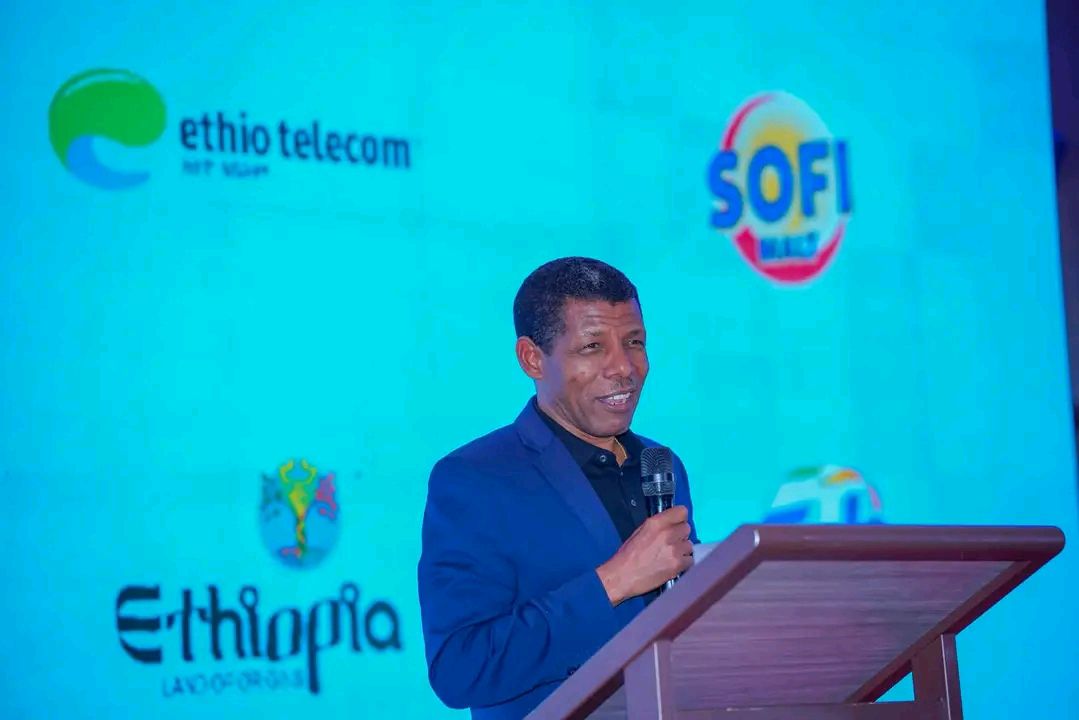
Ethiopian athletics legend Haile Gebrselassie has been named among Forbes Africa’s 15 Icons for 2026, recognising a career that brought him Olympic glory before he turned his attention to business and investment in his home country.
The two-time Olympic 10,000m champion features in the publication’s anniversary series marking 15 years of Forbes Africa.
His profile traces his rise from a young runner in Ethiopia to one of the most accomplished distance athletes in history, followed by his move into business.
Gebrselassie won his first Olympic 10,000m gold medal at the 1996 Atlanta Games, beating Kenyan rival Paul Tergat in an Olympic-record time of 27:07.34. He defended his title at Sydney 2000, again finishing ahead of Tergat in a close contest.
He also won four consecutive world outdoor 10,000m titles between 1993 and 1999. His achievements extended to road running, where he won four successive Berlin Marathon titles and became the first man to break the two-hour-four-minute barrier, clocking 2:03:59 in 2008.
Forbes Africa credits him with eight World Championships titles, including indoor championships, and 27 world records.
After establishing himself among the sport’s leading figures, Gebrselassie invested in Ethiopia, founding Haile & Alem International PLC in 2000. Forbes Africa reports that the company has grown into a business group employing more than 5,000 people, with interests including hotels, car manufacturing, real estate and agriculture.
He also wants other African athletes to consider what they can contribute beyond competition by investing in their home countries. In the Forbes Africa profile, Gebrselassie points to the opportunities available across the continent and the importance of developing African talent.
His involvement in athletics at home also includes the Great Ethiopian Run, which he founded in 2001 after winning his second Olympic 10,000m title in Sydney.
The idea emerged after he took part in Britain’s Great North Run. Gebrselassie wanted to establish a similar mass-participation event in Addis Ababa, giving ordinary Ethiopians the opportunity to take part in running rather than simply watch their country’s champions compete internationally.
The first Great Ethiopian Run attracted about 10,000 participants. It has since grown into one of Africa’s major road-running events, with the organisation staging more than 200 running events across Ethiopia over the years.
The event marked its 25th anniversary in November 2025, when more than 55,000 participants took part in the 10km race in Addis Ababa, according to the Ethiopian News Agency.
That milestone was accompanied by international recognition. On November 20, 2025, World Athletics awarded the Great Ethiopian Run a Heritage Plaque in the competition category, acknowledging its contribution to the development of athletics and mass participation in Ethiopia.
Gebrselassie attended the ceremony in Addis Ababa, where the plaque was unveiled at the National Museum of Ethiopia.
The race has also maintained a social-impact focus through its Run For A Cause campaign, which raises funds and awareness for organisations supporting children, women, people with disabilities and other vulnerable communities.
The Great Ethiopian Run says the initiative has raised more than 50 million Ethiopian birr over its history.
Gebrselassie’s inclusion in Forbes Africa’s 2026 Icons series brings together two parts of his public life: his record-breaking achievements as a distance runner and his efforts to build businesses and support the growth of athletics in Ethiopia.



Join the conversation